
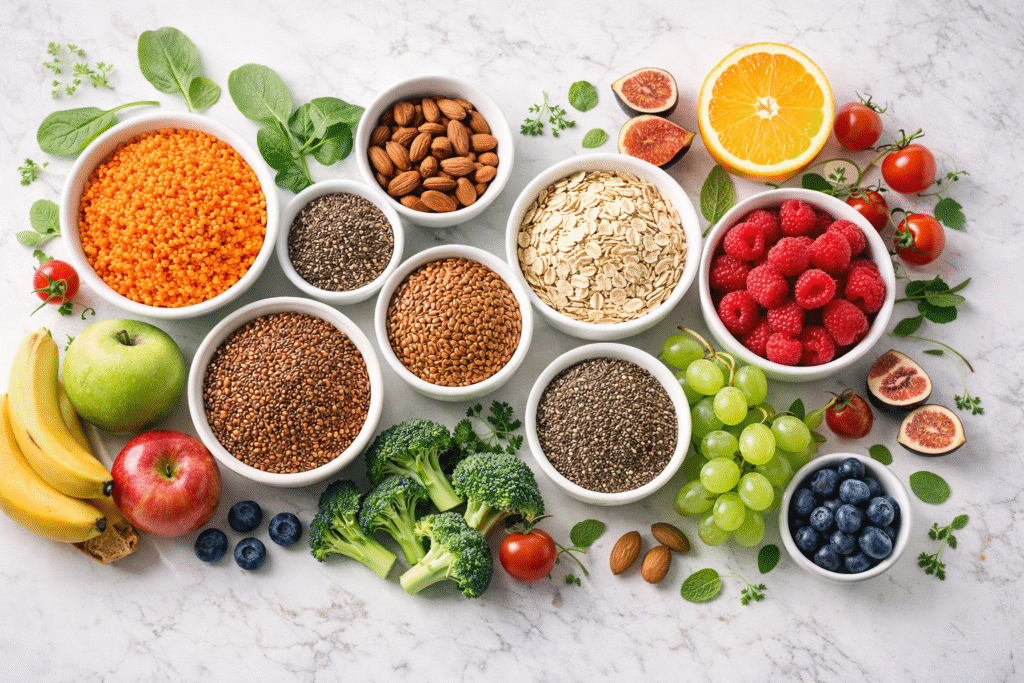
In 2026, a new nutrition trend is gaining attention across social media and health blogs: fibermaxxing.
If you’ve recently noticed more plates filled with broccoli, lentils, berries, and various seeds on your social feeds, it’s not a coincidence. More people are beginning to realize that healthy eating isn’t only about protein—fiber is just as important.
For years, the nutrition world focused heavily on protein. Protein shakes, protein bars, and high-protein diets became extremely popular.
But now nutrition experts are reminding us of something equally essential: dietary fiber.
Simply put, protein helps build muscle, while fiber helps the entire body function smoothly. That’s why many health professionals now emphasize the importance of balancing protein and fiber as one of the key principles of a healthy diet.
Fibermaxxing is becoming one of the most discussed nutrition trends because it focuses on increasing fiber intake through natural, whole foods.
What Is Fibermaxxing and Why It Matters for Gut Health
“Fibermaxxing” simply means intentionally increasing the amount of fiber in your daily diet.
It’s not a strict diet or a short-term eating plan. Instead, it’s a simple nutrition approach focused on adding more fiber-rich foods to everyday meals.
Some of the best natural sources of fiber include:
- legumes (lentils, chickpeas, beans)
- nuts
- seeds
- vegetables
- berries
- whole grains

Fiber plays a crucial role in the body. It supports digestion, feeds beneficial gut bacteria, and helps maintain more stable energy levels throughout the day.
Because of this, many experts now refer to the current nutrition focus as the era of gut health.
Why Fibermaxxing Is Especially Important for Women Over 40
Around the age of forty, the body begins to experience natural hormonal changes. Metabolism often slows down, and during the perimenopause stage many women notice changes in their energy levels, digestion, and weight.
Common changes include:
- fluctuating energy levels
- easier weight gain
- increased sensitivity to blood sugar spikes
- digestive changes
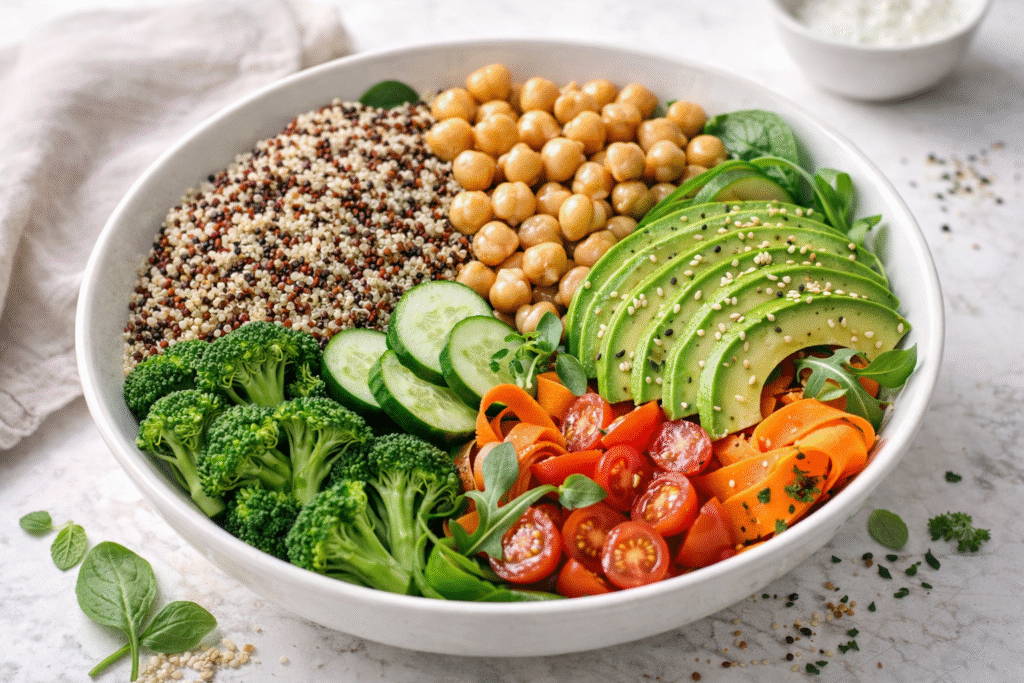
This is where fiber can become especially beneficial.
Hormone Balance and Fibermaxxing
Fiber helps the body eliminate estrogen used more efficiently. When this process slows down, it may contribute to bloating, mood swings, and hormonal imbalance.
Supporting digestion through fiber intake may help the body maintain a healthier hormonal balance.
How Fibermaxxing Helps Stabilize Blood Sugar Levels
Foods rich in fiber slow down the absorption of carbohydrates. This helps prevent sudden spikes and crashes in blood sugar levels.
As a result, you may experience more stable energy during the day and fewer cravings for sugary foods.
One simple way to support stable blood sugar levels is by using the Balanced Plate Method for women over 40.
Fibermaxxing and Easier Weight Management
Fiber helps you feel full for longer periods of time. It adds volume to meals and signals the brain that the body has received enough food.
Because of this, high-fiber foods can naturally support weight management without strict dieting.
Fibermaxxing Benefits for Heart Health
Soluble fiber may help reduce levels of LDL cholesterol, often referred to as “bad cholesterol.” Maintaining healthy cholesterol levels becomes increasingly important for women, as cardiovascular risk tends to increase with age.
10 High-Fiber Foods Women Over 40 Should Include in Their Diet
If you want to increase your fiber intake, start with these nutrient-dense foods:
- Lentils
- Chickpeas
- Chia seeds
- Flax seeds
- Oats
- Broccoli
- Raspberries
- Apples
- Almonds
- Beans
These foods support digestive health, gut microbiome balance, and long-lasting energy.
How to Start Fibermaxxing in Your Daily Diet
The most important rule is to make changes gradually. Suddenly increasing fiber intake may cause digestive discomfort.
Instead, start with small habits such as the following:
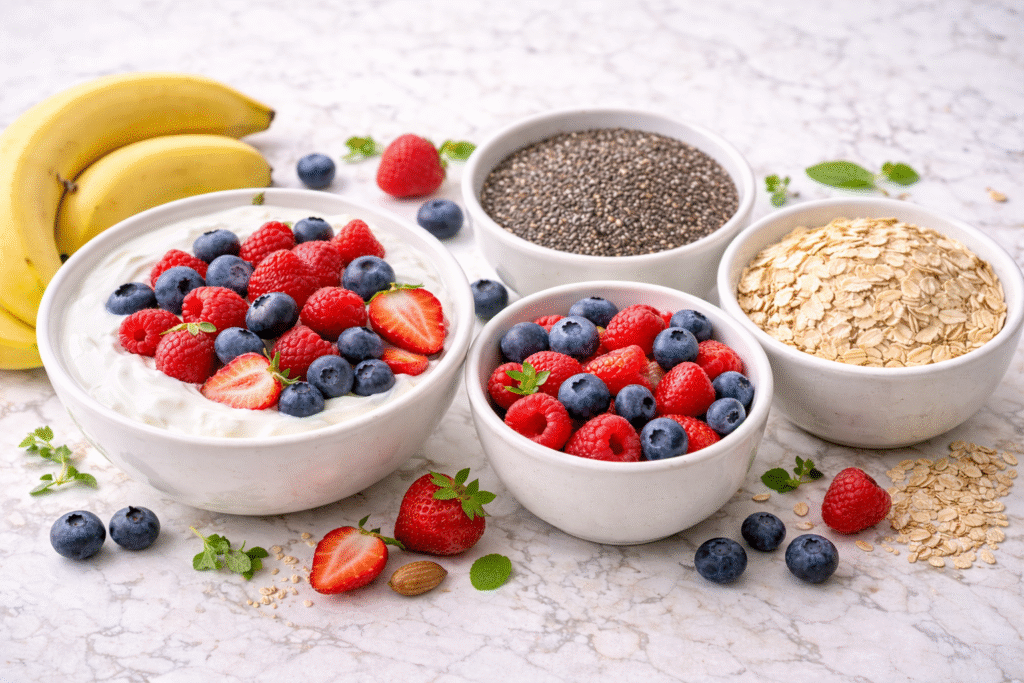
- adding chia seeds to breakfast bowls
- mixing ground flax seeds into yogurt or smoothies
- adding chickpeas or lentils to salads
- choosing whole-grain products instead of refined grains
It’s also important to drink enough water, since fiber absorbs liquid and helps keep the digestive system working smoothly.
How Much Fiber Do Women Need Per Day?
Most nutrition experts recommend that women consume about 25–30 grams of fiber per day.
However, research suggests that many people currently consume only around 15 grams daily.
This means most adults could benefit from significantly increasing their fiber intake.
The Simple Rule of Fibermaxxing for Better Gut Health
Fibermaxxing is not about strict diets or eliminating foods. Instead, it focuses on adding more nutrient-rich plant foods to your meals.
So instead of asking
“What should I eliminate from my diet?”
More people are starting to ask the following:
“What healthy foods can I add to my plate?”
And very often, the answer is simple — more vegetables, legumes, berries, and seeds.
Even small daily changes can make a meaningful difference for digestion, energy levels, and overall well-being.
Frequently Asked Questions About Fibermaxxing
What is fibermaxxing?
Fibermaxxing is a nutrition approach focused on increasing the amount of fiber in your daily diet by eating more plant-based foods such as vegetables, legumes, whole grains, seeds, and fruits.
How much fiber should women over 40 eat?
Most health experts recommend that women consume 25–30 grams of fiber per day. However, many people currently eat far less than this amount.
What foods are highest in fiber?
Some of the best high-fiber foods include lentils, chickpeas, beans, chia seeds, flax seeds, oats, berries, apples, broccoli, and almonds.
Why is fiber important for gut health?
Fiber feeds beneficial bacteria in the gut, helping maintain a healthy microbiome. A balanced gut microbiome supports digestion, immune function, and overall health.
Can increasing fiber help with weight management?
Yes. High-fiber foods help you feel fuller for longer periods, which may naturally reduce calorie intake and support healthy weight management.